

Every child deserves to be heard, understood, and confident in their communication. When a child struggles to express their needs or connect with others, it can leave parents feeling worried and unsure about the next step. That’s where language Delay Therapy, plays an essential role. Designed to support children with communication delays and disorders, this therapy helps build the skills they need to communicate clearly and confidently.
If you are a parent searching for answers, understanding how language delay therapy works and what makes it effective can help you make informed decisions for your child’s future.
What Is Language Delay Therapy?
Language Delay Therapy is a specialized approach within speech-language pathology that focuses on helping children who have difficulty understanding or using language. A language delay may involve challenges with using words to express thoughts, understanding instructions, forming sentences, expanding vocabulary, and developing social communication skills.
Unlike a speech delay, which focuses on how sounds are produced, a language delay relates to how words and sentences are understood and used. Early intervention is crucial because language development strongly influences academic success, social skills, and emotional regulation.
Signs Your Child May Benefit from Therapy
Children develop at different rates, but there are common milestones most follow. You may consider therapy if your child is not using single words by 18 months, has difficulty combining words by age two or three, struggles to follow simple directions, becomes frustrated when trying to communicate, or has unclear speech beyond the expected developmental age.
Parents often notice that their child understands some things but cannot express themselves effectively. This communication gap can impact behavior, relationships, and confidence.
Why Early Intervention Matters
Research consistently shows that early support leads to better outcomes. The brain is highly adaptable in early childhood, making it easier to build new communication pathways. Addressing language delays between ages two and five can significantly reduce long-term academic and social challenges.
However, therapy is not limited to young children. School-aged children and teens can also benefit from targeted intervention, especially when difficulties affect literacy, classroom participation, or peer interactions.
A Neurodiversity-Affirming, Child-Led Approach
Modern speech therapy practices emphasize a neurodiversity-affirming model. This means recognizing and respecting differences in how children communicate, learn, and process information. Instead of forcing children into rigid communication patterns, therapy supports their natural strengths while expanding functional communication skills.
A child-led approach allows therapy sessions to follow the child’s interests. When children are engaged in activities they enjoy, they are more motivated to communicate. This method builds trust and confidence, making progress more meaningful and sustainable.
Conditions Addressed in Language Delay Therapy
Language delay therapy supports a wide range of communication needs. Childhood apraxia of speech is a motor speech disorder where the brain has difficulty planning and coordinating the movements needed for speech. Articulation disorders involve difficulty producing specific sounds correctly, which may make speech hard to understand. Some children are gestalt language processors and learn language in chunks or scripts rather than single words, and therapy helps them break down and recombine language more flexibly. Stuttering includes interruptions in the flow of speech that may affect confidence and participation. Augmentative and alternative communication, often referred to as AAC, provides tools such as communication devices or picture systems to help children express thoughts and needs.
Each therapy plan is individualized, ensuring that goals match the child’s unique strengths and challenges.
What Happens During a Therapy Session?
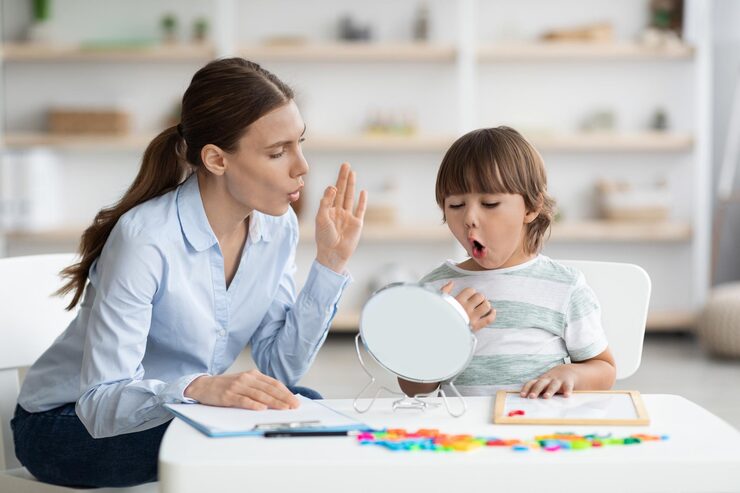
Parents often wonder what therapy actually looks like. Sessions typically include play-based language activities, interactive games that encourage conversation, storytelling and literacy development, motor speech exercises, and social communication practice.
Therapists may also coach parents on strategies to use at home. This collaboration ensures that progress continues beyond scheduled sessions. Family involvement plays a major role in reinforcing communication skills throughout daily routines.
For families seeking Speech Therapy in Westchester, in-home services provide an added benefit. Children often communicate more naturally in familiar environments, which can lead to faster and more authentic progress.
The Role of Family-Centered Care
Family-centered therapy recognizes that parents are essential partners in their child’s development. Instead of simply observing sessions, parents learn techniques they can use during meals, playtime, and bedtime routines.
For example, parents may expand a child’s short phrases into longer sentences, model new vocabulary during play, and use visual supports to improve comprehension. When families feel empowered and informed, children receive consistent reinforcement, which strengthens outcomes.
Building Confidence Beyond Words
Communication is more than speaking clearly. It includes understanding others, participating socially, and expressing emotions. Effective language delay therapy helps children build self-confidence, improve peer relationships, strengthen academic readiness, and reduce frustration-related behaviors.
Children who gain functional communication skills often show improvements in emotional regulation because they can express their needs rather than act them out.
Choosing the Right Therapist
Selecting the right speech-language pathologist is an important step. Look for professionals who specialize in pediatric communication disorders, offer individualized treatment plans, use evidence-based techniques, embrace neurodiversity-affirming practices, and involve families in goal setting.

A therapist experienced in motor speech disorders, early language development, AAC, and literacy can address multiple areas of need under one cohesive plan.
Supporting Communication at Home
While professional therapy is vital, everyday interactions also shape language growth. Parents can support development by reading together daily, narrating routines like cooking or dressing, giving children time to respond, encouraging choices to prompt communication, and limiting screen time in favor of interactive play.
Small, consistent efforts create meaningful changes over time.
When to Take the Next Step
If you suspect your child may have a language delay, trusting your instincts is important. Early consultation does not automatically mean long-term therapy is required, but it provides clarity and guidance. Even a single evaluation can offer valuable insights into your child’s communication strengths and areas for growth.
Seeking help is not a sign of failure. It is a proactive step toward empowering your child. Every child’s voice matters, and with the right support, communication barriers can become stepping stones toward confidence and connection.
Conclusion
Language delay therapy provides structured, compassionate support for children struggling with communication. Through individualized plans, neurodiversity-affirming strategies, and family-centered care, children build the skills they need to express themselves effectively. Whether addressing articulation, apraxia, gestalt language processing, or AAC needs, early and consistent intervention creates lasting impact. By partnering with a qualified therapist and reinforcing strategies at home, parents can help their child find their voice and thrive socially, emotionally, and academically.
FAQ
1. At what age should I consider language delay therapy for my child?
If your child is not meeting typical communication milestones or you notice persistent frustration with speaking or understanding language, it is appropriate to seek an evaluation as early as two years old or sooner if concerns arise.
2. How long does language delay therapy take?
The duration varies depending on the child’s needs, consistency of sessions, and family involvement. Some children make rapid progress in months, while others benefit from longer-term support.
3. Can therapy help older children and teenagers?
Yes. Language delay therapy supports children and teens up to age eighteen, particularly when communication challenges affect academics, social interactions, or confidence.
